35 models
A journal that publishes 3D models of vertebrate specimens, many free to download for teaching.
Skull of Canis (Xenocyon) lycaonoides, a hunting dog that lived alongside early humans at Dmanisi, Georgia.
3D scans and a digital reconstruction of the skeleton of Cetotherium, a small Miocene baleen whale.
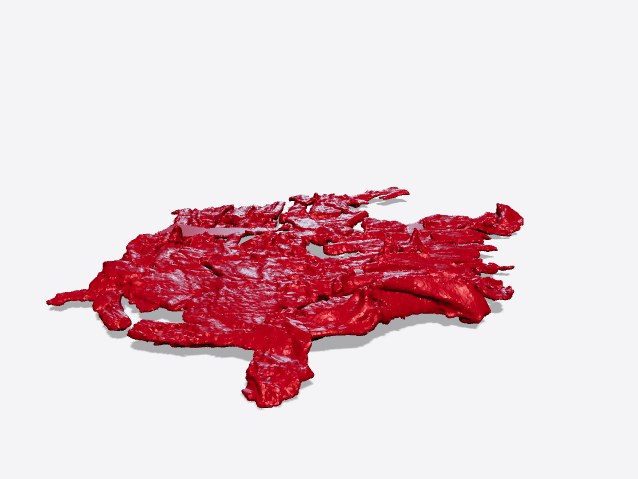
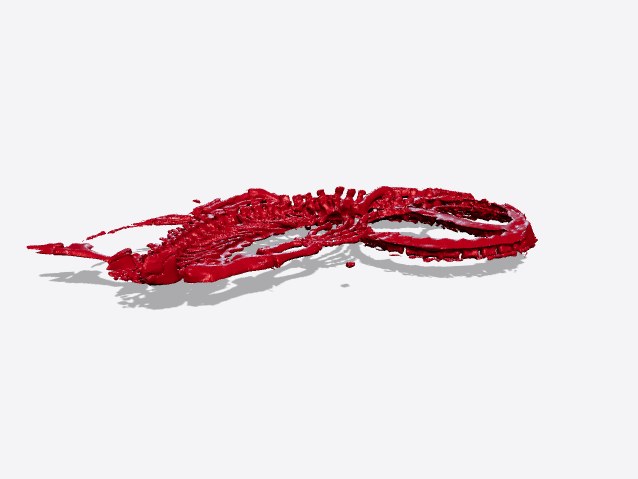
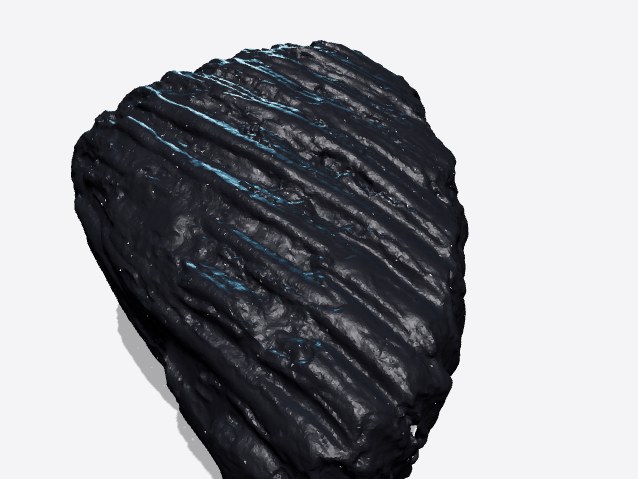
Dinosaur footprints preserved in Early Cretaceous desert dunes of the Agrio Formation, Argentina.
Fossil trackways of small lacertoid reptiles from the Late Triassic of southern Brazil.
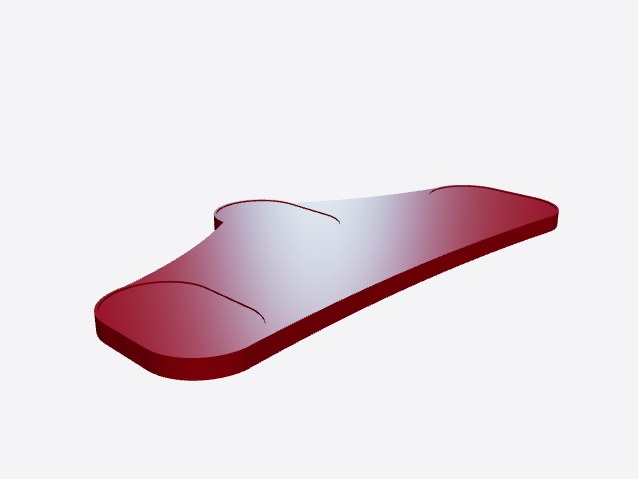
A shell orthosis mold for injured turtles and tortoises, designed by Brazilian veterinary researchers.
Fossil of Gladbachus, one of the earliest shark relatives, from the Devonian.
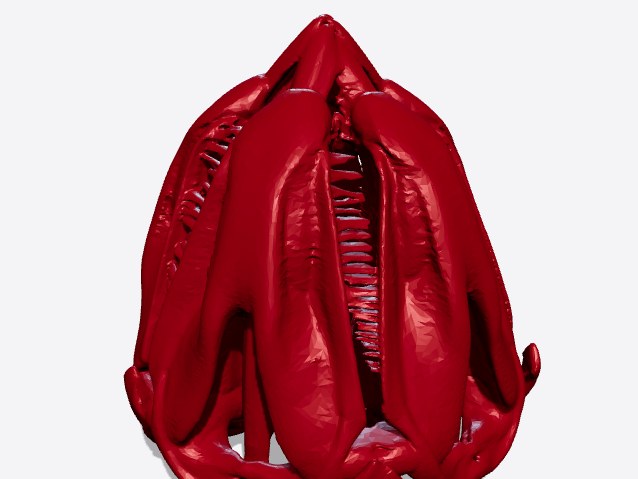
The five-part jaw of a sea urchin, called Aristotle's lantern, scanned for a symmetry study.
Fins, collars and body parts of a research model of the great hammerhead shark.
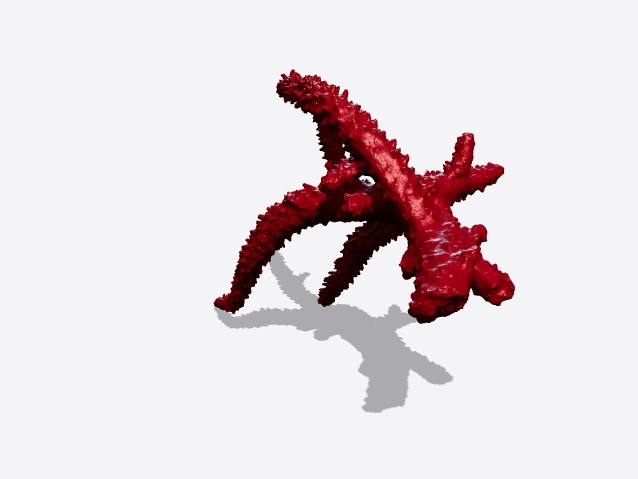
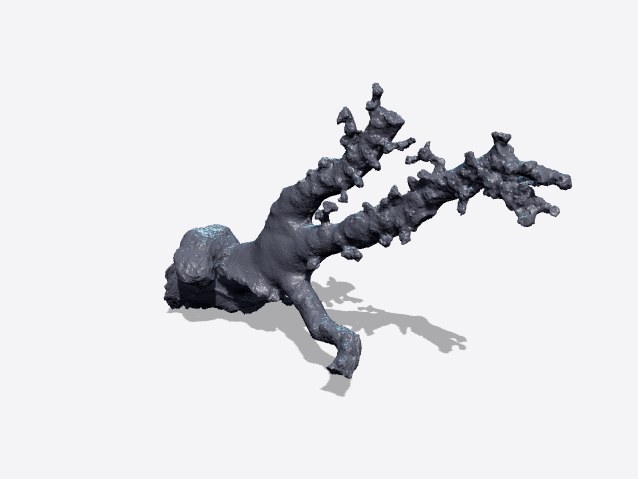
Micron-level scans of living coral fragments, captured with a dental scanner by reef researchers.
Fossil of Stegomastodon, an Ice Age relative of elephants from the Americas.
Skull bones of an early gecko relative from the Jurassic Morrison Formation.
Jaw of Titanichthys, a giant armored fish from the Devonian seas.
A 255-million-year-old reptile fossil from Madagascar, scanned in 3D.
Type specimen of the Taiwanese mammoth, rediscovered and scanned by researchers.
Geological samples and outcrops digitized by the LAPIG lab at Unicamp, Brazil.
3D scans of thousands of vertebrate skulls for research and teaching. Licenses vary per scan.
The University of Texas library of high-resolution CT scans of vertebrates and fossils.
Virtual lab of fossils from the Turkana Basin in Kenya, with downloadable 3D files for education.
A huge archive of CT and surface scans of fossils, animals and specimens from museums. Free account; licenses vary.
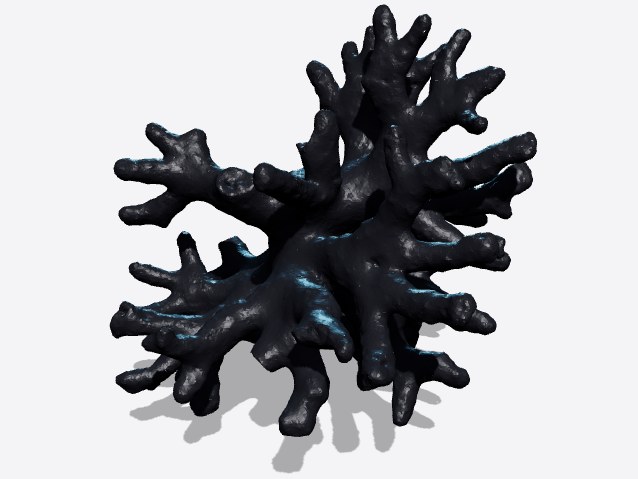
Print-ready coral scan from the Smithsonian's natural history collection (CC0).
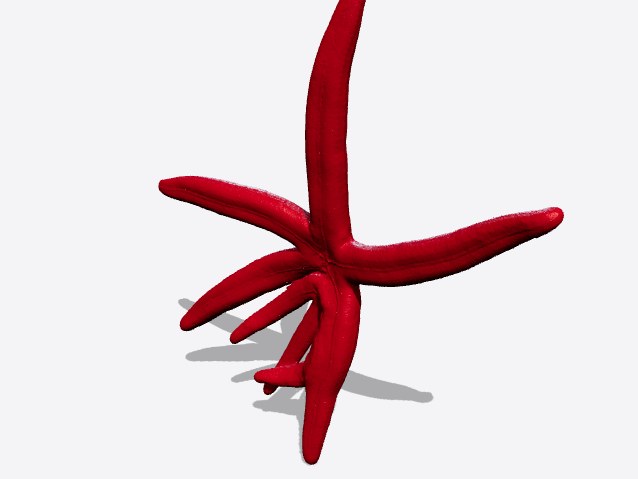
Print-ready 3D scan from the Smithsonian's natural history collection (CC0).