116 models
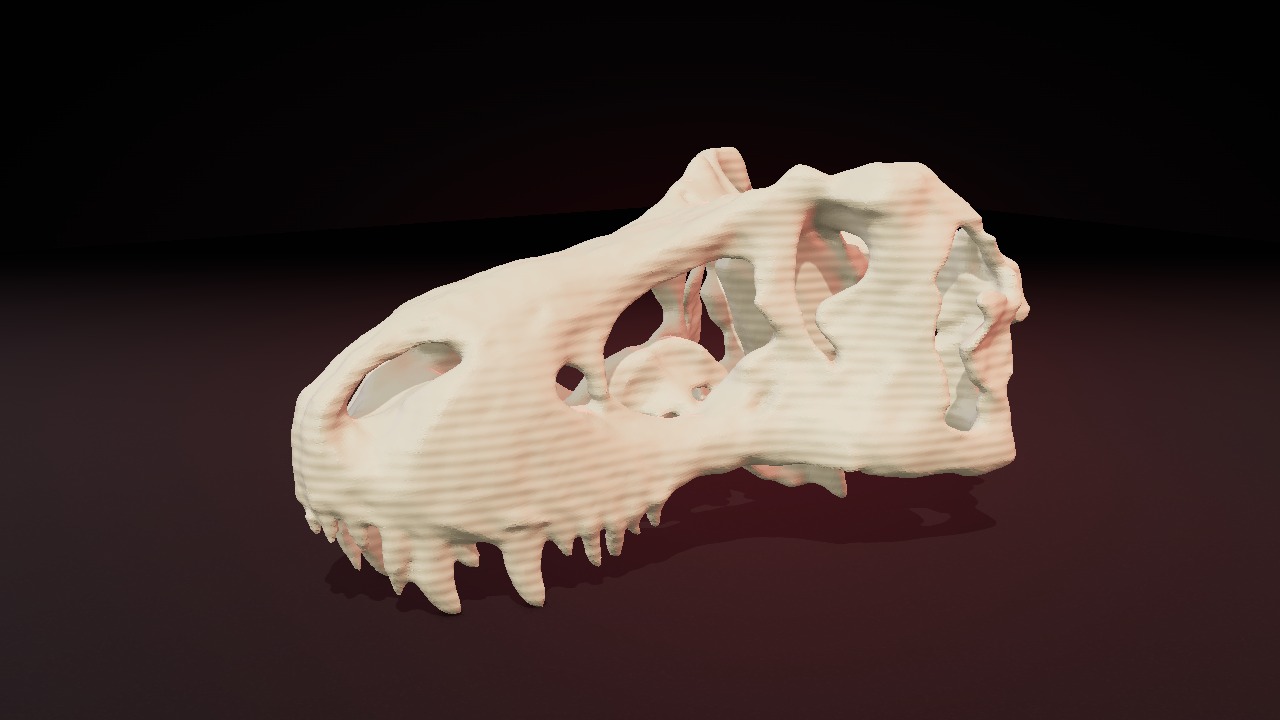
Research-grade T. rex skull model from an open paleontology dataset.
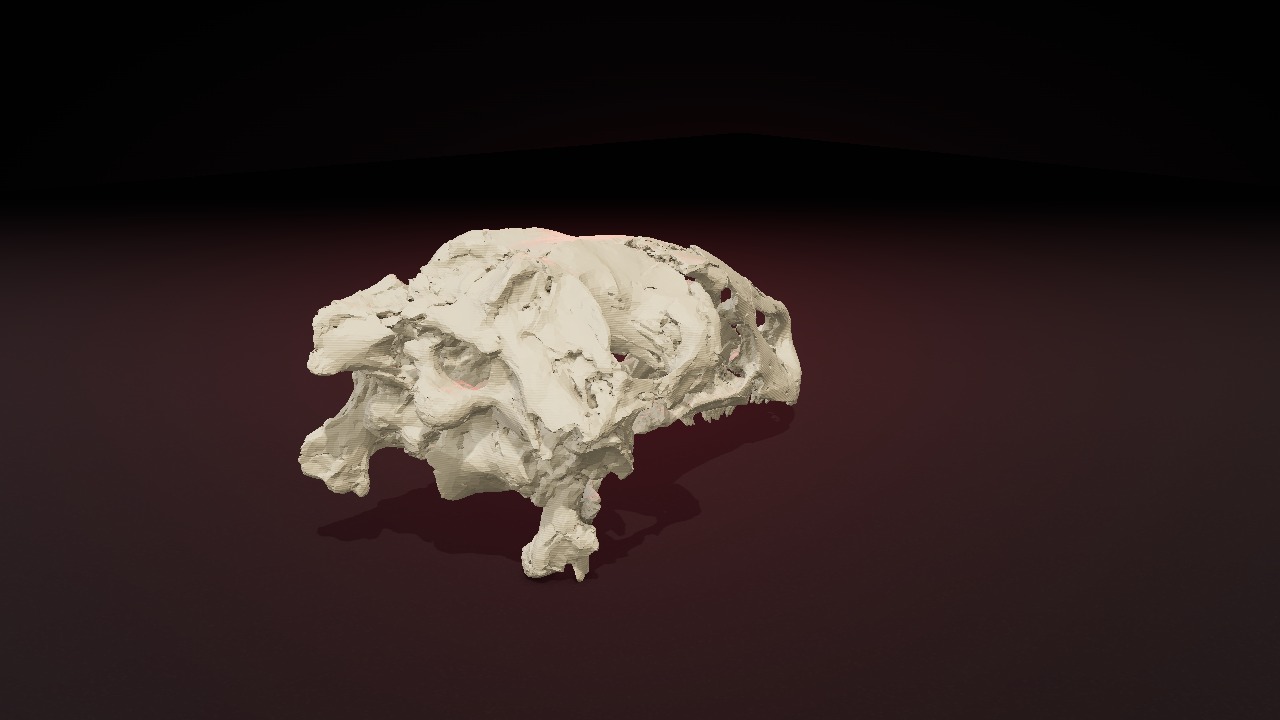
Digitally restored skull of a therizinosaur dinosaur.
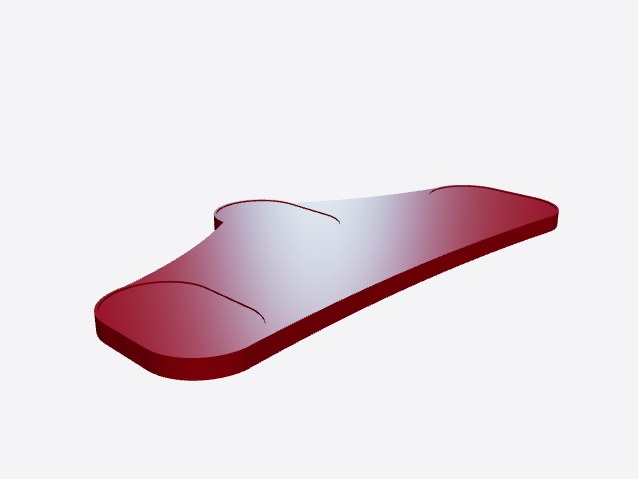
A shell orthosis mold for injured turtles and tortoises, designed by Brazilian veterinary researchers.
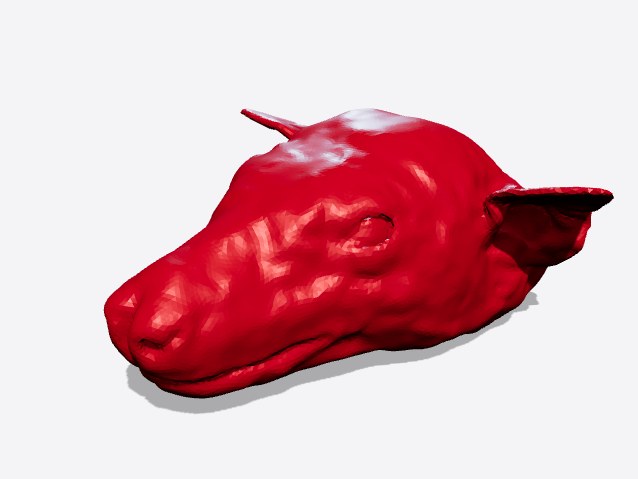
Head models of the Egyptian fruit bat, made for sonar research.
Fossil of Gladbachus, one of the earliest shark relatives, from the Devonian.
A tiny Cambrian sponge microfossil, scanned so you can print it big.
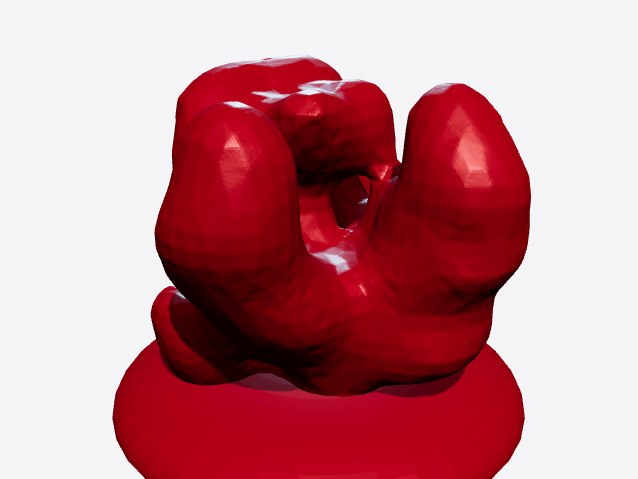
The five-part jaw of a sea urchin, called Aristotle's lantern, scanned for a symmetry study.
Fins, collars and body parts of a research model of the great hammerhead shark.
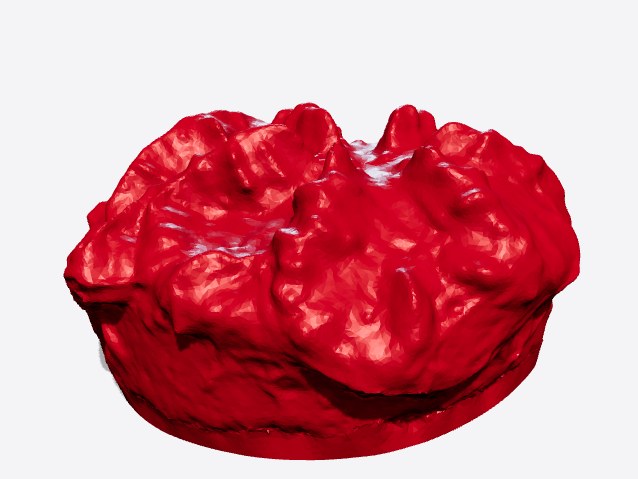
Micron-level scans of living coral fragments, captured with a dental scanner by reef researchers.
Eight artificial reef designs from marine research. Scaled down, they make striking aquarium decor.
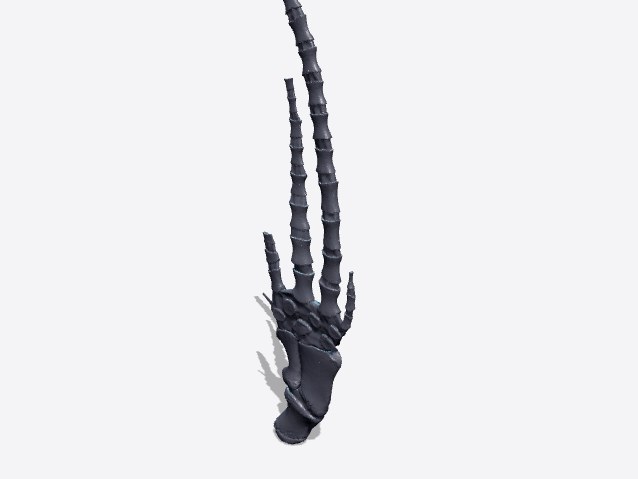
The flipper skeleton of a pilot whale, showing the 'hand' bones hidden inside a fin.
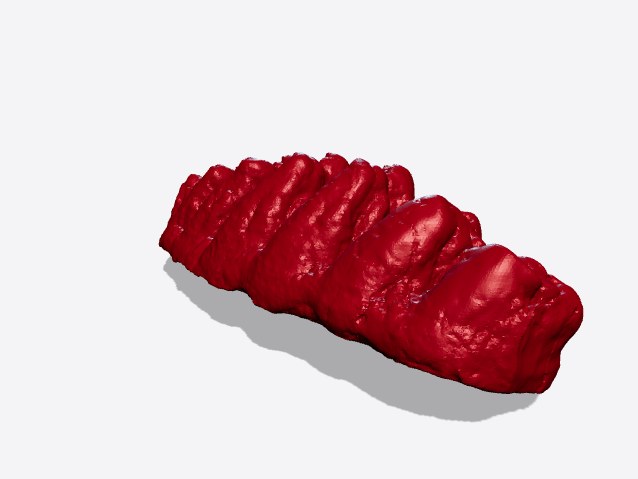
Fossil of Stegomastodon, an Ice Age relative of elephants from the Americas.
A real Jurassic theropod footprint (Eubrontes) from the Smithsonian's fossil collection.
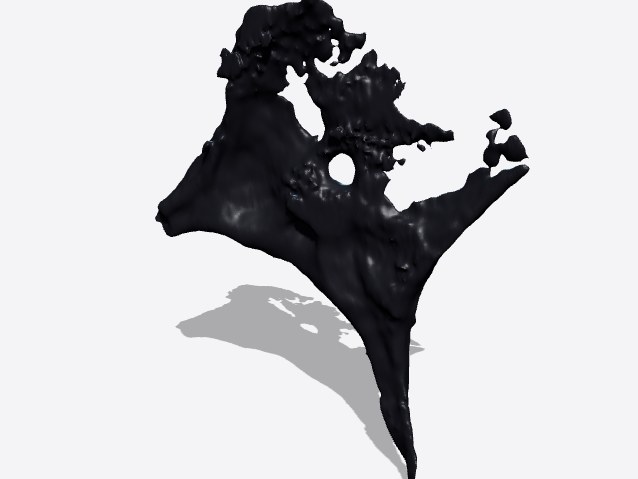
Skull bones of an early gecko relative from the Jurassic Morrison Formation.
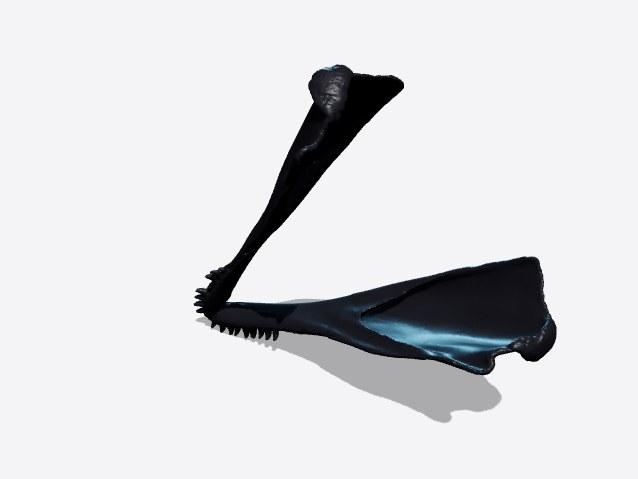
Jaw of Titanichthys, a giant armored fish from the Devonian seas.
A 255-million-year-old reptile fossil from Madagascar, scanned in 3D.
Fossil shell of an Ice Age pond turtle (Chinemys pani) from Taiwan.
Fossil of a gharial-like crocodile from Taiwan, nicknamed the crocodylian princess.
Type specimen of the Taiwanese mammoth, rediscovered and scanned by researchers.
Hundreds of fossils, minerals and specimens from the Natural Sciences Museum of Barcelona.
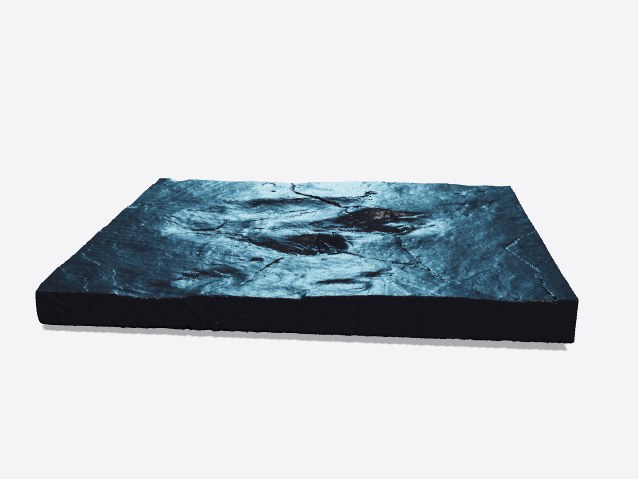
Geological samples and outcrops digitized by the LAPIG lab at Unicamp, Brazil.
Print-ready 3D scan from the Smithsonian's natural history collection (CC0).
Open research data from the NHM, including 3D scans of specimens. Licenses are listed per dataset.