94 models
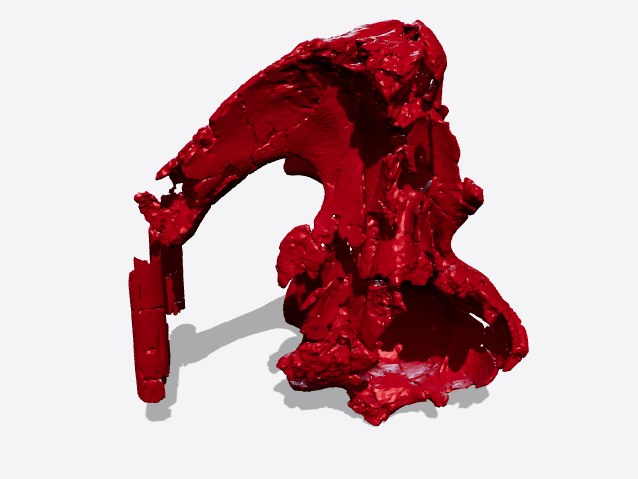
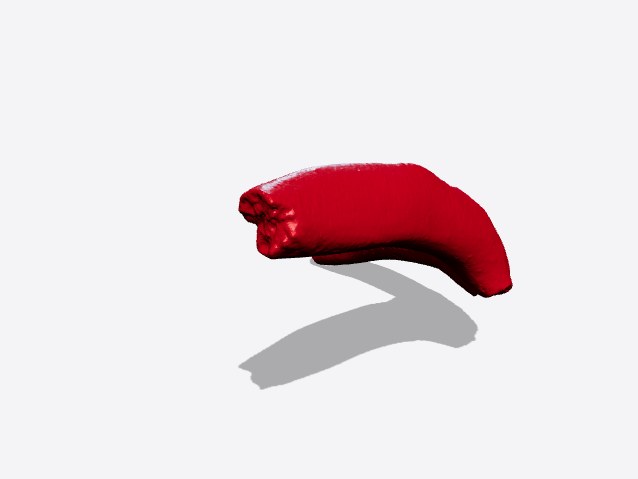
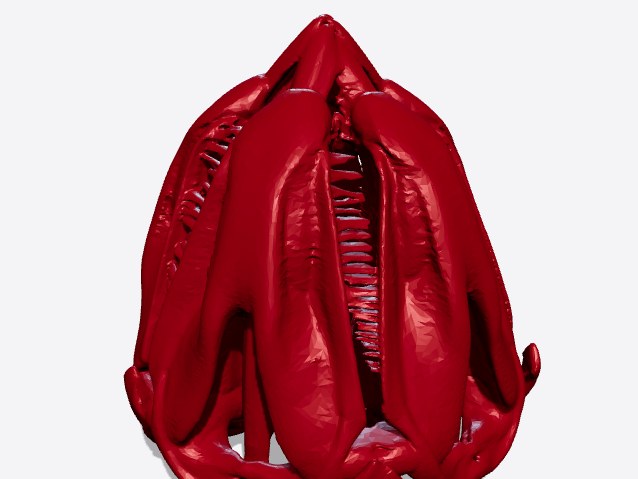
Odobenocetops peruvianus De Muizon, 3D-scanned by the Smithsonian National Museum of Natural History and released to the public domain (CC0).
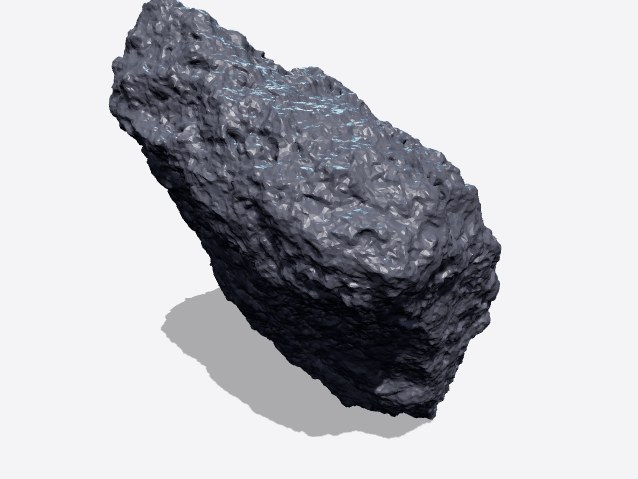
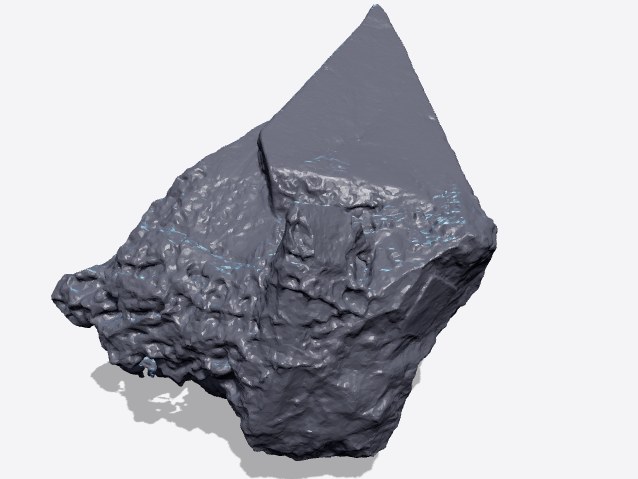
A volcanic andesite with dark hornblende crystals.
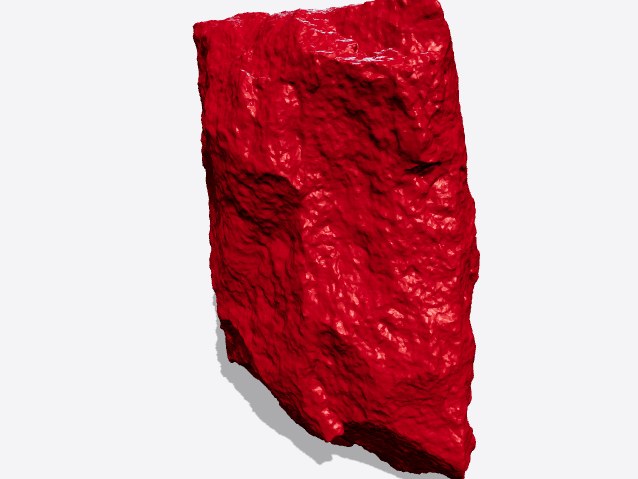
A sample of crystalline limestone from Harvard's teaching collection.
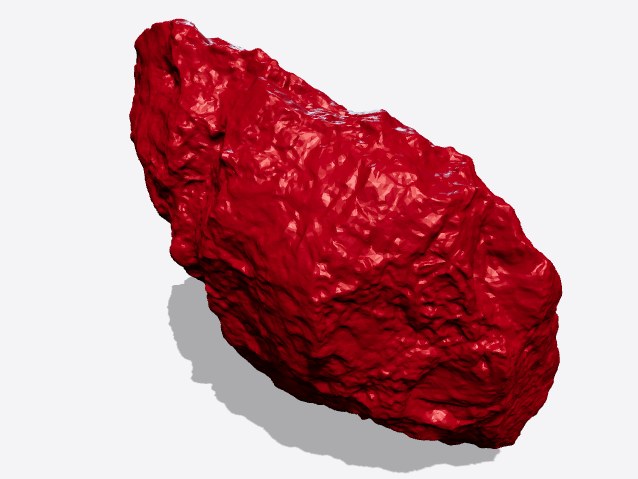
Limestone packed with fossil shells, from Harvard's teaching collection.
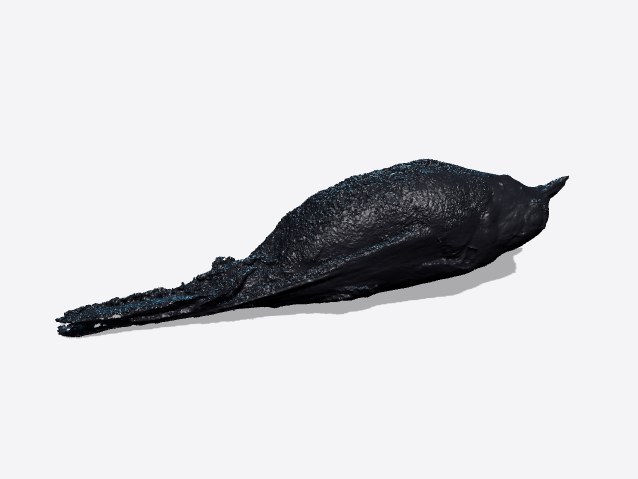
A bluebird museum specimen scanned at Harvard.
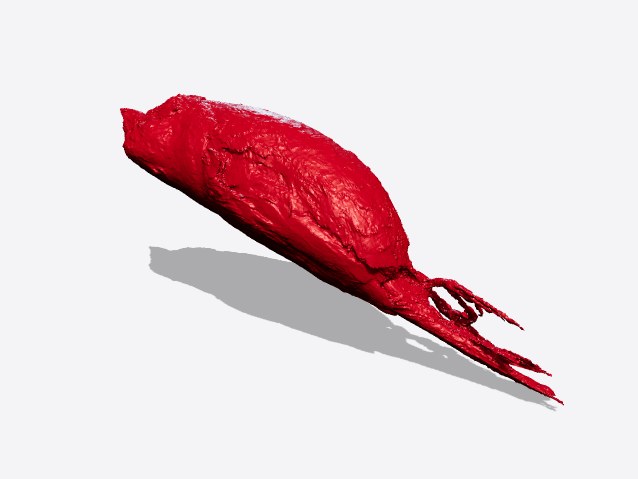
A sparrow museum specimen scanned at Harvard.
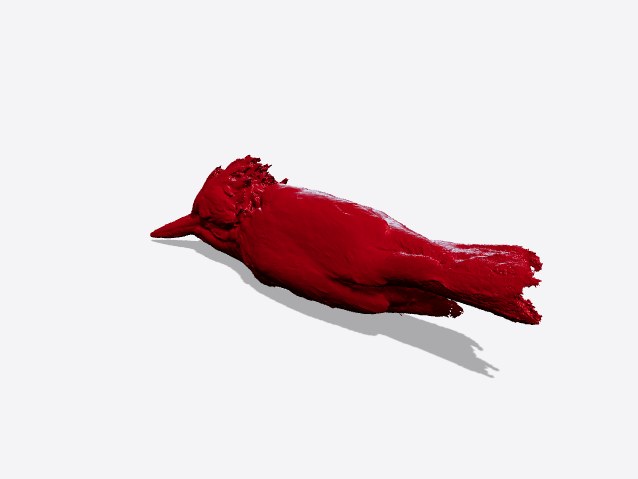
A kingfisher museum specimen scanned at Harvard.
Scheelite, a tungsten ore that glows under UV light.
A cluster of native sulfur crystals.
Amazonite, the green variety of microcline feldspar.
A specimen of thenardite, a sodium sulfate mineral, scanned at Harvard.
A journal that publishes 3D models of vertebrate specimens, many free to download for teaching.
Skull of Canis (Xenocyon) lycaonoides, a hunting dog that lived alongside early humans at Dmanisi, Georgia.
3D scans and a digital reconstruction of the skeleton of Cetotherium, a small Miocene baleen whale.
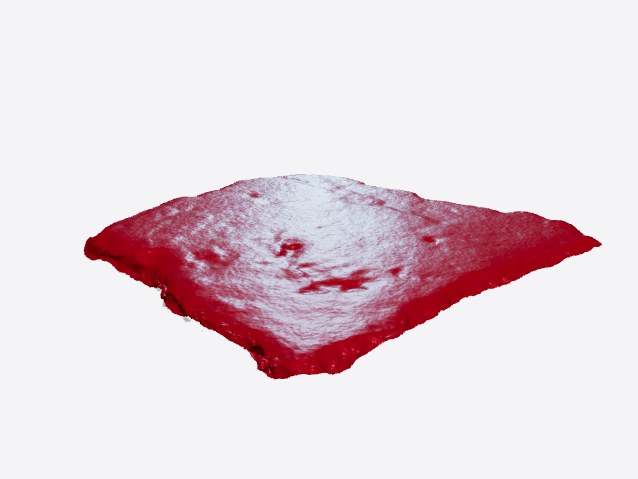
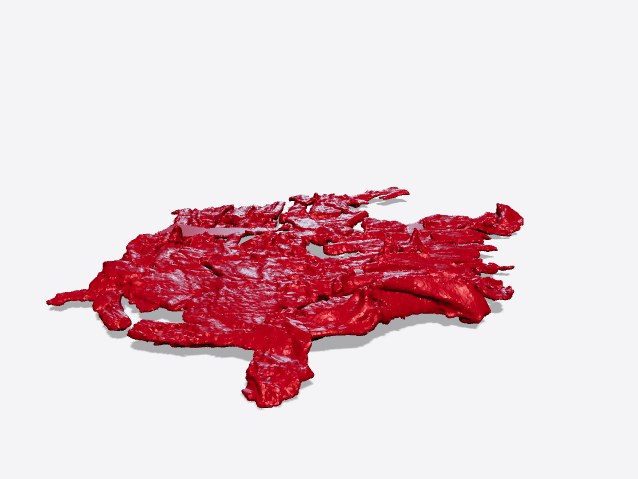
Dinosaur footprints preserved in Early Cretaceous desert dunes of the Agrio Formation, Argentina.
Fossil trackways of small lacertoid reptiles from the Late Triassic of southern Brazil.
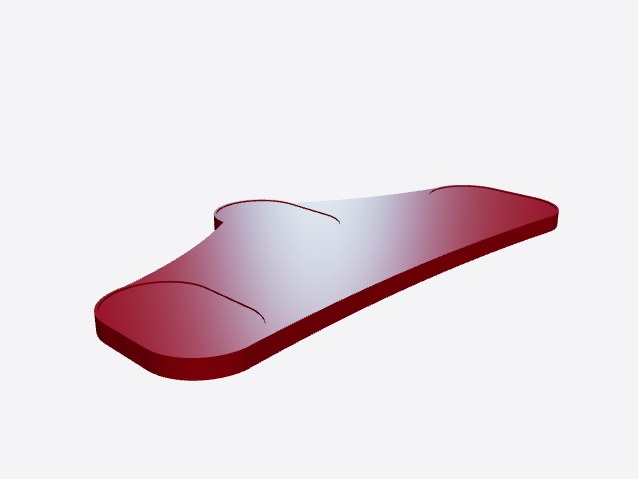
A shell orthosis mold for injured turtles and tortoises, designed by Brazilian veterinary researchers.
Fossil of Gladbachus, one of the earliest shark relatives, from the Devonian.
The five-part jaw of a sea urchin, called Aristotle's lantern, scanned for a symmetry study.
Fins, collars and body parts of a research model of the great hammerhead shark.
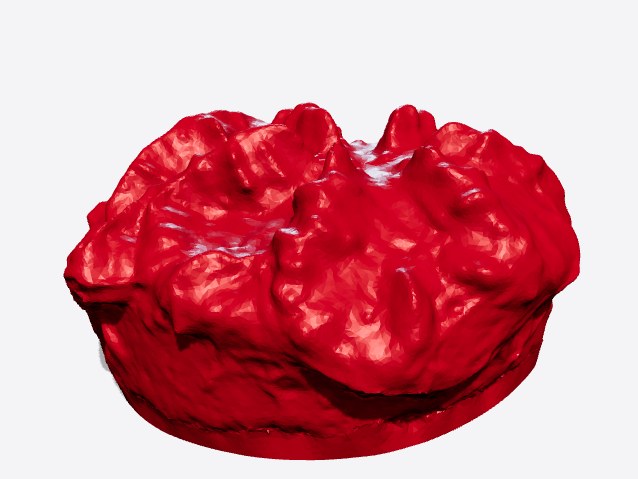
Micron-level scans of living coral fragments, captured with a dental scanner by reef researchers.
Fossil of Stegomastodon, an Ice Age relative of elephants from the Americas.
Skull bones of an early gecko relative from the Jurassic Morrison Formation.
Jaw of Titanichthys, a giant armored fish from the Devonian seas.